



You know the scene. You just spent an hour scrubbing the bathroom. The tiles are gleaming. The faucet shines. You walk away feeling accomplished. But when you come back two hours later, it’s there again.
That chalky white film. The cloudy spots on the glass. The crust forming around the drain.
If you live in an area with hard water, you aren’t just cleaning dirt; you are battling chemistry. Hard water is relentless. It ruins aesthetics and eats away at plumbing fixtures. Most people try to fight it with harsh chemicals or endless scrubbing. But the smartest homeowners know the secret isn’t in the cleaning product. It’s in the remodel.
If you are planning a bathroom remodel, choosing the best materials for hard water is the single most effective way to save yourself hours of future cleaning. Let’s look at how to build a bathroom that fights back.

Understanding Hard Water
Before we pick tiles, we have to understand what we are up against. Hard water is essentially water with high mineral content. It’s loaded with dissolved calcium and magnesium. These minerals are harmless to your health, but they are a nightmare for your home.
When hard water lands on a surface—like your shower wall or faucet—the H2O evaporates. The minerals do not. They are left behind, crystallizing into that rock-hard white substance known as limescale.
On smooth surfaces, this is annoying. On porous surfaces, it’s destructive. The minerals seep into the pores of the material. As they crystallize and expand, they can actually crack or dull the finish from the inside out. That is why material selection is critical.
The Best Tiles for Hard Water
The surface area of your bathroom is mostly tile. If you get this wrong, you are setting yourself up for a lifetime of maintenance.
The Winner: Glazed Porcelain and Ceramic
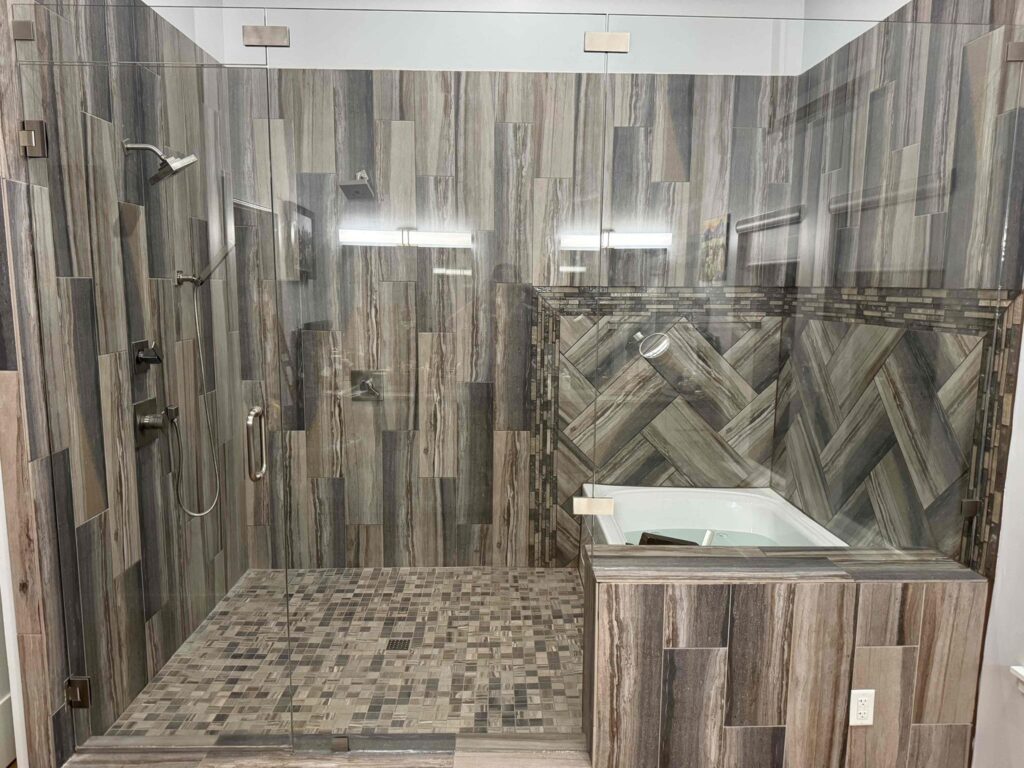
When it comes to hard water, glazed porcelain is king. Ceramic is a close second. The magic lies in the glaze. During the manufacturing process, a layer of liquid glass is fired onto the tile. This creates a completely non-porous surface.
Water cannot penetrate it. When that mineral-heavy drop of water dries on a porcelain tile, the scale sits right on top. It doesn’t bond with the material. You can wipe it away with a damp cloth or a mild vinegar solution. There are no pores for the calcium to hide in.
The Material to Avoid: Natural Stone
We love the look of natural stone. Travertine, limestone, and slate provide an earthy, spa-like vibe. But if you have hard water, they are heartbreakingly difficult to maintain.
Natural stone is a sponge. It is full of microscopic pores. Hard water minerals settle deep into these crevices. Over time, the stone will look dull and hazy, no matter how much you scrub.
Furthermore, the most common DIY cure for hard water scale is vinegar (an acid). But calcium-based stones like marble, travertine, and limestone react poorly to acid. If you spray vinegar on them, you will “etch” the stone, physically eating away the surface. You end up in a catch-22: the cleaner that removes the scale destroys the tile.
If you must have the stone look, opt for a high-quality “stone-look” porcelain. Digital printing technology has gotten so good that it is hard to tell the difference, and the maintenance is zero.
Don’t Forget the Grout
You can pick the best tile in the world, but if you surround it with cheap grout, you will still have problems. Standard cement grout is porous. It absorbs mineral-laden water, turns discolored, and crumbles over time.
Ask for epoxy grout. It’s made from epoxy resins and a filler powder. Once it cures, it is essentially plastic. It’s waterproof and stain-proof. Hard water minerals can’t get a grip on it. It costs a little more to install, but it pays for itself in cleaning time.
The Best Countertops for Hard Water
Your vanity top sees a lot of water. Splashes from face washing and dripping hands mean standing water is inevitable.
Quartz is the Best Choice
Quartz is an engineered stone product. It takes natural quartz crystals and binds them with resin. The result is a surface that is harder than granite and completely non-porous. Like glazed tile, it resists staining and does not react to acidic cleaners. It keeps its shine even after years of hard water exposure.
Granite and Marble
Granite is a decent option, but it requires discipline. You must seal it regularly. If the sealer wears off, hard water deposits will anchor themselves into the stone. Marble is generally a poor choice for hard water bathrooms. It is soft and prone to etching. A single ring from a wet glass can leave a permanent mark on a marble vanity.
The Best Shower Enclosure Materials for Hard Water
Glass shower doors are modern and beautiful. They make a small bathroom feel huge.
They are also the first things to look unsightly in a hard-water home.
Clear glass shows every single dried droplet. If you don’t squeegee the glass after every single shower (and let’s be honest, who does?), the glass will eventually become permanently etched. The minerals actually pit the surface of the glass, creating a cloudy look that cannot be cleaned off.
The solutions:
- Treated Glass: Many manufacturers now offer glass with a factory-applied hydrophobic coating. This repels water, causing it to bead up and roll off rather than drying in place. It isn’t magic—you still have to clean it—but it reduces buildup significantly.
- Patterned or Frosted Glass: If you don’t want to squeegee, hide the evidence. Textured glass, like “rain” glass or frosted bands, obscures water spots so they aren’t visible to the naked eye.
- The Shower Curtain: It sounds low-tech, but a high-quality, washable curtain is the ultimate low-maintenance solution. When the liner gets scaly, you toss it in the wash or replace it for a few dollars.
The Best Bathroom Faucets for Hard Water
The faucet is the jewel of the bathroom. It is also the place where scale builds up the thickest. You have likely seen white crust forming around the base of handles or on the aerator.
The material of the faucet body is usually brass, which is fine. The issue is the finish. If you’re investing in new fixtures, brand quality matters just as much as finish—especially in hard water homes. For a breakdown of high-end options that balance durability and design, explore our guide on the best brands for luxury bathroom faucets. Here is how the different finishes stack up against mineral buildup:
- Brushed Nickel: This is widely considered the best finish for hard water. The matte, textured surface blends perfectly with the white/grey tone of dried water spots. It hides fingerprints and scales incredibly well.
- Chrome: This is the classic choice. It’s durable, but it acts like a mirror. Every white speck of calcium stands out against the silver shine. You will find yourself polishing it constantly.
- Oil-Rubbed Bronze: This finish provides a great contrast, but be careful. Many bronze fixtures have “living finishes” meant to change over time. Harsh scrubbing of mineral deposits can strip the bronze coating right off, leaving you with shiny brass spots underneath.
- Matte Black: This is incredibly trendy right now. However, white calcium deposits on a black background create the highest possible contrast. Unless you are extremely diligent about drying it, matte black can look messy very quickly.
- PVD Finishes: regardless of the color, look for “Physical Vapor Deposition” (PVD) finishes. This process bonds the finish to the metal at a molecular level. It is incredibly resistant to corrosion and scratching, meaning you can scrub off hard water deposits without worrying about peeling the color off.
Maintenance Tips for Hard Water Homes
Even with the best materials, you will still have some cleanup. The goal is to make it easy, not impossible.
The ultimate solution is, of course, to install a water softener. Installing a whole-home softening system removes the calcium and magnesium before they ever reach your faucet. It protects your pipes, your water heater, and your new remodel. If your budget allows for it, this is the single best investment for your home’s longevity.
If a softener isn’t in the cards, simple maintenance habits help. Keep a spray bottle of 50/50 distilled water and white vinegar under the sink (only for your porcelain and chrome/nickel surfaces!). The mild acid dissolves the alkaline minerals instantly. Rinse well, and you are good to go.
Building for the Long Haul
Remodeling a bathroom is a significant investment. It’s easy to get caught up in color palettes and lighting trends. But the practical side of design is what determines how much you enjoy the space three years from now.
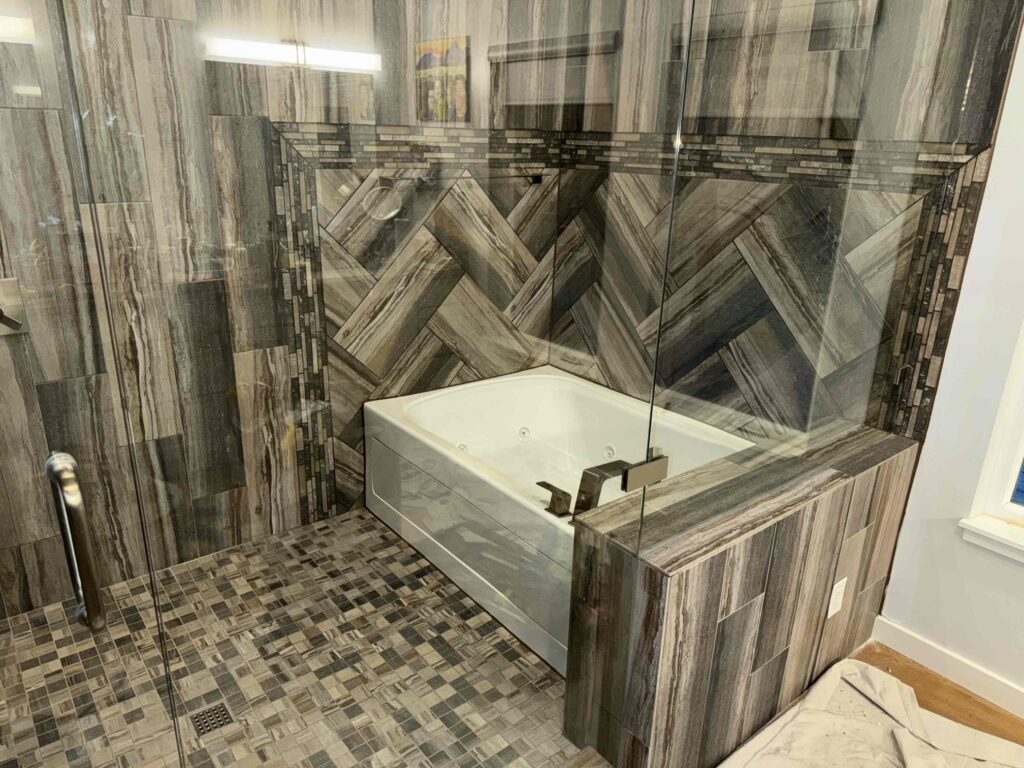
If you ignore the water quality in your home, your beautiful new spa bathroom will eventually look dingy. By choosing glazed porcelain, quartz countertops, and brushed nickel fixtures, you are building a defense system directly into the design. You are ensuring that your bathroom remains a place of relaxation, rather than a source of stress.
You deserve a bathroom that looks as good on day 1,000 as it did on day one.
If you are ready to plan a remodel that can withstand the toughest water conditions, we are here to help guide you through the process. Reach out to SALT Service Co. today for expert advice on plumbing and remodeling solutions tailored to your home’s specific needs.