




When your morning shower turns unexpectedly cold, you quickly realize how much you depend on your water heater. Knowing the expected lifespan of your water heater is essential for proactive planning. It allows you to budget for a future replacement and prevents the major disruption of an unexpected loss of hot water. We’ll cover everything about how long your water heater should last and the steps you can take to maximize its service life.
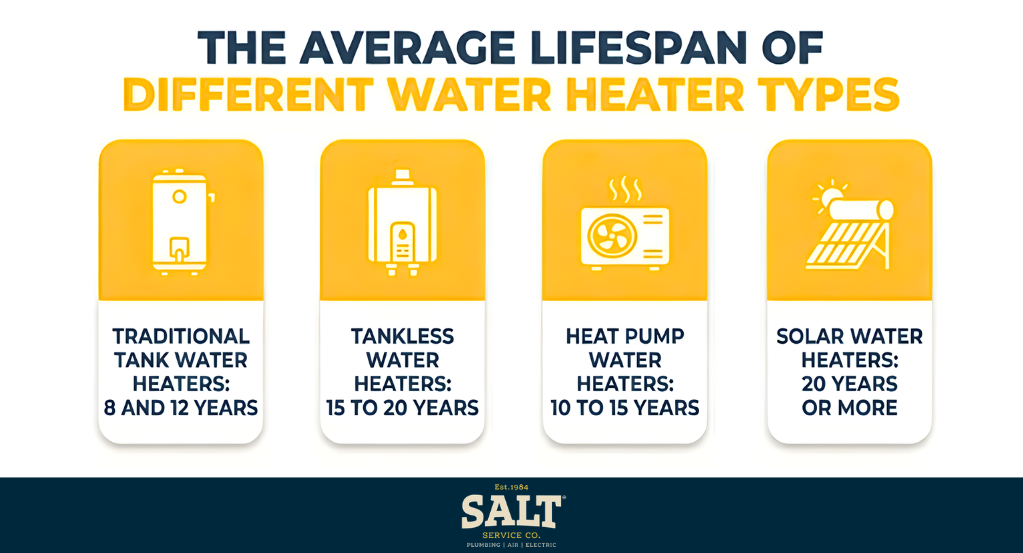
The Average Lifespan of Different Water Heater Types
Not all water heaters are created equal, and the type you have in your home significantly impacts how long you can expect it to perform reliably.
Traditional Tank Water Heaters
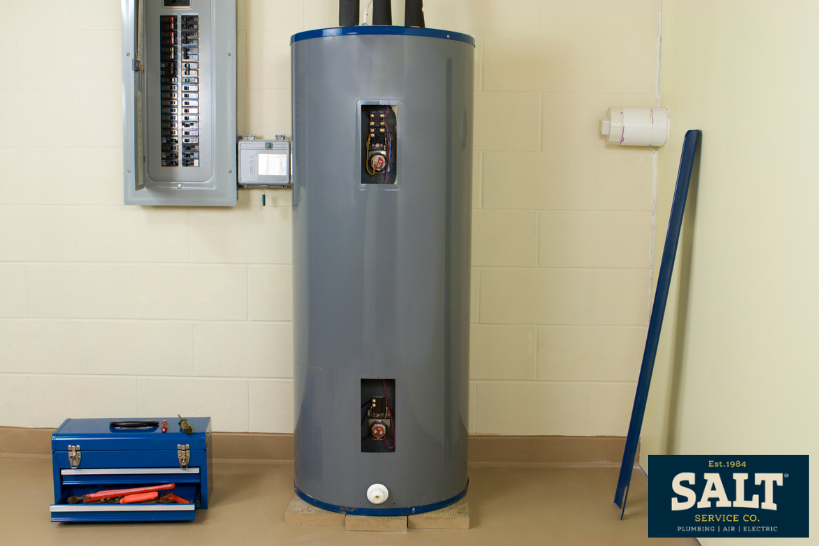
Traditional tank water heaters typically last between 8 and 12 years. These units store and heat water continuously in a large water tank, which means components are constantly working. Over time, this constant operation takes its toll on the system.
Tankless Water Heaters
Tankless water heaters generally offer a longer service life, often reaching 15 to 20 years with proper care. Because they only heat water on demand rather than maintaining a constant supply, they experience less wear and tear on critical components.
Heat Pump Water Heaters
Heat pump water heaters fall somewhere in between, usually lasting 10 to 15 years. These units use electricity to move heat from the surrounding air to warm your water, making them energy-efficient but requiring specific maintenance attention.
Solar Water Heaters
Solar water heaters can last 20 years or more, though the storage tanks may need replacement sooner. The solar collectors themselves are remarkably durable when properly maintained.
Factors That Affect Your Water Heater’s Longevity
Several variables determine whether your unit reaches the lower or upper end of its expected lifespan. Understanding these factors puts you in control of extending your water heater’s useful years.
Water Quality Makes a Difference
The quality of water flowing through your system plays a major role in its longevity. Hard water contains high mineral content that accelerates sediment buildup inside the tank. This sediment settles at the bottom, forcing the heating element to work harder and reducing efficiency. Over time, sediment buildup can cause overheating, corrosion, and premature failure.
If you live in an area with poor water quality, consider installing a water softener or whole-house filtration system. This investment protects not only your water heater but also other appliances and plumbing fixtures throughout your home.
Installation Quality Matters
Professional water heater installation sets the foundation for long-term performance. Improper installation can lead to numerous problems, including inadequate venting, incorrect pressure settings, and connection issues. These problems create stress on the system and shorten its operational life.
Always hire a licensed professional for water heater installation. The upfront cost pays dividends through reliable performance and an extended lifespan.
Usage Patterns Impact Wear
A household of six demanding hot water throughout the day puts far more strain on a water heater than a couple with modest needs. Higher demand means more cycles, greater wear on components, and a shorter overall lifespan.
If your household has high hot water demands, consider whether your current unit is appropriately sized. An undersized water heater working overtime will fail sooner than a properly matched system.
Related Article: The Best Bathroom Materials for Hard Water
The Critical Role of Regular Maintenance
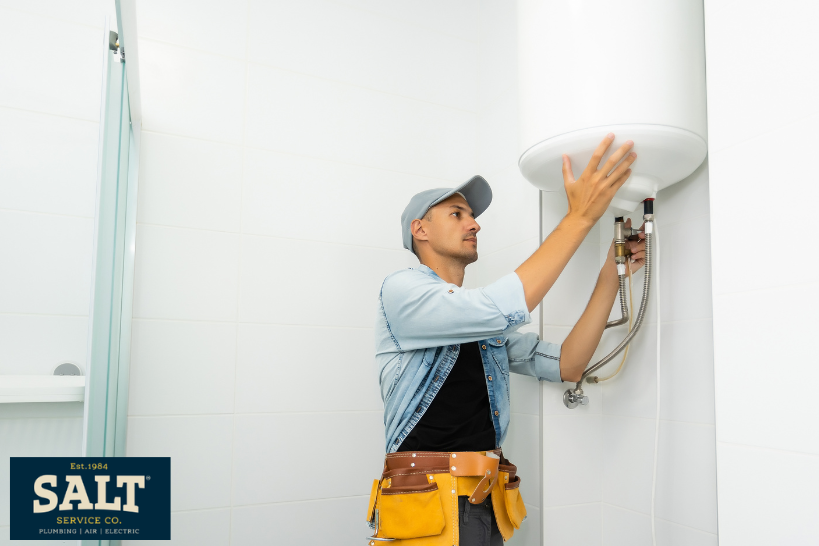
Regular professional maintenance is vital for maximizing your water heater’s lifespan and avoiding premature failure.
Annual inspections by a technician should check the heating element, safety controls, connections, and overall health.
Flushing the tank annually removes efficiency-reducing, damaging sediment.
Crucially, inspect the sacrificial anode rod annually and replace it every three to five years, or sooner if corroded. This rod prevents tank rust.
For gas units, ensure the pilot light is blue and steady (flickering or yellow indicates a problem). Keep the area around the heater clear of debris and flammable materials.
Warning Signs Your Water Heater is Failing
Recognizing the indicators of a failing water heater allows you to plan for water heater replacement before an emergency occurs. Watch for these telltale symptoms:
- Age approaching the expected lifespan
- Rusty or discolored hot water
- Inconsistent water temperature
- Visible leaks or moisture
- Strange noises from the tank
- Declining efficiency
Don’t ignore these warning signs. Early action gives you time to research options, get quotes, and schedule water heater replacement at your convenience rather than during a crisis.
Maximizing Your Water Heater’s Performance and Lifespan
Taking proactive steps today extends your water heater’s service life and maintains optimal performance throughout its years of operation.
- Schedule annual professional maintenance. This single step prevents most premature failures and keeps your system running efficiently
- Flush the tank every 6 to 12 months. More frequent flushing is advisable in areas with hard water quality
- Test the pressure relief valve twice yearly. This safety component prevents dangerous pressure buildup
- Insulate older water heaters and pipes. Reducing heat loss decreases workload and saves energy
- Set the water temperature appropriately. The recommended setting of 120 degrees Fahrenheit balances comfort, safety, and efficiency
- Address strange noises promptly. Unusual sounds indicate problems that worsen when ignored
- Replace the anode rod as needed. This inexpensive component protects your entire investment
These maintenance practices require minimal time and expense but deliver significant returns through extended equipment life and reliable performance.
When to Choose Repair Versus Replacement
Not every problem requires a new water heater. Minor issues like a faulty heating element, malfunctioning thermostat, or worn anode rod are cost-effective repairs that extend your unit’s useful life.
However, certain situations clearly call for replacing the water heater. If your unit is past its expected lifespan and experiencing problems, repair costs rarely make financial sense. Tanks showing visible corrosion or leaking from the body cannot be repaired and need immediate replacement.
Consider the age of your water heater and the cost of proposed repairs. A general guideline suggests replacement when repairs exceed 50 percent of a new unit’s cost, especially if the existing water heater is more than halfway through its expected lifespan.
Related Article: How to Install an Electric Tankless Water Heater
Planning Ahead for Your Next Water Heater
Understanding what a water heater’s lifespan is empowers you to make informed decisions about maintenance, repair, and eventual replacement. Most homeowners get 8 to 12 years from traditional tank units and 15 to 20 years from tankless systems when they commit to regular maintenance and address problems promptly.
Start planning for your new water heater before the current one fails completely. Research current options, understand energy efficiency ratings, and establish a relationship with a trusted HVAC professional. When replacement time arrives, you’ll be ready to make a confident decision without the pressure of an emergency situation.
Your water heater works hard every day to provide the hot water your household depends on. Give it the attention it deserves through regular maintenance, and it will reward you with years of reliable service.