

Clogged sinks, slow tubs, and sewer backups across Austin get a licensed SALT plumber who finds the blockage first and names a flat-rate price before any clearing starts.
SALT provides drain cleaning services in Austin, TX with motorized cabling, hydro jetting, and sewer camera inspection. Plumbing LIC# M-44221 covers the work, and emergency plumbing dispatch runs 24/7 for active sewage backups.
Schedule drain cleaning online or call (512) 956-7842.
What drain cleaning costs in the greater Austin area
Drain cleaning in Austin costs different amounts because a bathroom sink clog and a blocked main sewer line are different jobs. SALT sets a flat-rate price for the approved method before clearing begins, so the price you approve covers that scope of work.
SALT does not charge open-ended hourly rates for drain work, and it does not publish one price for every clog, because a number that fits one home would mislead the next. The plumber evaluates the drain on site and gives a written flat-rate quote before any clearing starts. The table shows how SALT sorts drain work across Austin, Travis County, and Williamson County.
| Drain Issue | Typical Scope | SALT Pricing Status |
|---|---|---|
| Fixture clog | A localized sink, tub, shower, or toilet blockage | Provided after diagnosis |
| Main-line clog | A blockage affecting several drains or toilets | Provided after diagnosis |
| Camera inspection | Identifying damage, roots, breaks, or recurring obstructions | Provided after diagnosis |
| Hydro jetting | Removing heavy buildup from a drain or sewer line | Provided after diagnosis |
| Access work | Toilet removal, roof-vent access, cleanout installation, or excavation | Provided after diagnosis |
A localized kitchen or bathroom clog usually needs a different approach than a blockage affecting several fixtures. Multiple slow drains, gurgling toilets, or sewage coming up through a lower drain can point to a main-line obstruction that needs further diagnosis.
Scope also changes when a home has no exterior cleanout. In that case, the SALT plumber may have to reach the line through a toilet or roof vent. Roots, dense grease, older pipe, and difficult excavation can add work beyond standard clearing, and SALT explains each addition before you approve it. Sewer repair and other pipe work sit under SALT’s plumbing and drain services.
How fast SALT can reach an Austin clogged drain
SALT schedules same-day or next-day drain appointments in Austin, depending on technician availability. Active sewage backups get emergency plumbing dispatch 24/7.
SALT does not promise a fixed arrival time for every clog. The dispatcher confirms the real window when you call, based on which trucks are open that day. Regular scheduling runs 8am to 8pm, seven days a week.
Treat the problem as an emergency if sewage is coming up through a tub, toilet, shower, floor drain, or exterior cleanout. Several fixtures backing up at once also point to a main sewer line restriction. While the plumber is on the way:
- Stop using sinks, toilets, showers, and washing machines.
- Skip the dishwasher and the garbage disposal.
- Keep people and pets away from standing wastewater.
- Shut off water to the overflowing fixture or the main supply, if it is safe.
A single slow sink or tub with no sewage usually fits a regular appointment.

How SALT finds the clog before quoting:
camera inspection
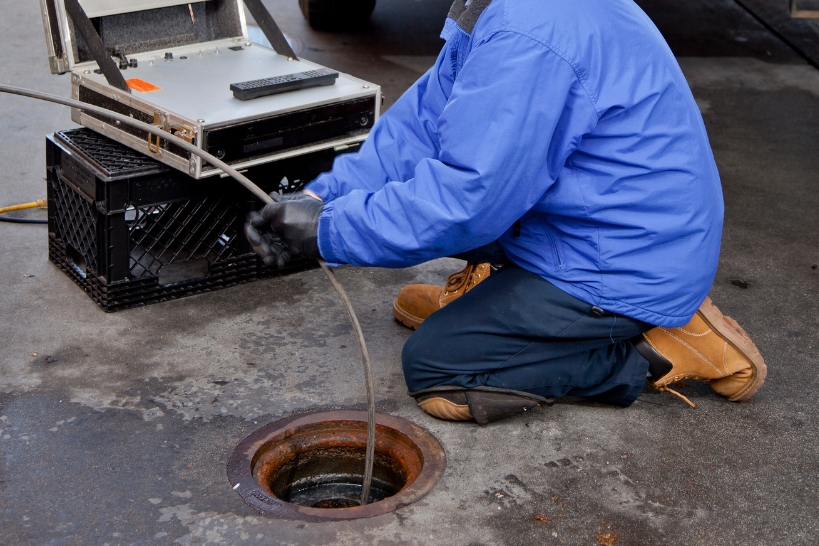
A SALT plumber diagnoses an Austin clog by asking which fixtures are affected, testing them, and checking the cleanout before recommending a clearing method. Recurring clogs, several affected drains, or signs of pipe damage call for a sewer camera inspection.
The camera shows root intrusion, grease buildup, mineral scale, separated joints, offsets, low spots called bellies, cracks, or a collapsed section. That footage separates a clearable blockage from a line that needs repair. After the inspection, SALT provides a video summary of the findings alongside a flat-rate quote, so you see the footage before any work starts.
Sewer line ownership and cleanout access
The private sewer lateral that connects a home to the City’s wastewater system is not owned by the City, and the homeowner is generally responsible for it, while Austin Water maintains the public sewer main. Footage showing a problem near that boundary supports the next conversation, but it does not guarantee city responsibility. Austin Water makes the final call on the public main.
Older Austin homes may lack an exterior cleanout. Access through a removed toilet or roof vent adds time and changes the scope. A permanent two-way cleanout gives future clearing and camera work a direct path, which helps homes with repeat sewer-line trouble.
Drain snaking vs hydro jetting:
which one your line needs
Motorized cabling, often called snaking, is usually the right start for a localized clog, and hydro jetting fits an accessible, sound line with heavy buildup on the pipe walls. SALT offers both methods in Austin and picks one from the symptoms and the camera findings. For a deeper side-by-side, read drain cleaning vs. drain snaking.
| Consideration | Motorized Cabling | Hydro Jetting |
|---|---|---|
| Best use | Localized clogs and flow restoration | Heavy buildup in accessible, sound pipe |
| What it removes | Creates an opening through debris and obstructions | Scours grease, scale, sludge, and some root growth from pipe walls |
| Recurrence risk | May return if wall buildup remains | May reduce repeat buildup when the line is suitable |
| Pipe condition | Useful for many serviceable lines | Requires a structurally sound line |
| Camera verification | Recommended for recurring or main-line issues | Required before jetting older or suspect pipe |
A slow drain does not automatically call for the more intensive method. Cabling opens a path through the clog and restores flow. Jetting scours accumulated grease, scale, and sludge from the inside of a suitable line.
Camera findings guide the choice. A pre-jet camera inspection is necessary for older cast iron or clay pipe and for any line with suspected damage, because severe pitting, bottom rot, open cracks, separated joints, offsets, or partial collapse can make aggressive jetting a bad idea. In those cases, SALT recommends a gentler clearing approach, repair, or replacement, and shows you the footage behind that advice.

Is the clog in your fixture or your main line
One slow drain usually means a clog in that fixture’s own branch line, while trouble in several fixtures at once points to the main sewer line. The difference decides the equipment, the access point, and the repair decision for your Austin home. Signs the clog sits in the main line:
Toilets gurgle when a sink or washer drains.
Several drains run slow at the same time.
Water or sewage backs up in the lowest drain in the house, such as a floor drain or ground-level tub.
The problem returns days after a single drain was cleared.
Water finds the lowest opening first, so the early warning signs of a main-line clog often show up in a floor drain or ground-level tub before anywhere else. Only a camera inspection confirms where the restriction sits and whether roots, buildup, or pipe damage is the cause.
The signs above are enough to call SALT, so there is no need to test the line with running water. If a drain is backing up or sewage is present, stop using water, keep people and pets away from standing wastewater, and call SALT. Tell the dispatcher which fixtures are affected and what you saw.
Why Austin drains clog again:
hard water, grease and tree roots
Austin drains clog again when clearing restores flow without removing the cause of buildup. Austin Water’s 2025 water quality report lists average hardness at 5.4 grains per gallon, with results ranging from 4.1 to 7.4. Hard water alone rarely blocks a drain, but mineral scale roughens pipe walls, and that rough surface catches grease, soap residue, and hair.
Kitchen lines add grease. Cooking oil cools inside the pipe, coats the walls, and hardens, so a line can narrow again after a quick clearing.
Tree roots can drive repeat main-line backups. Roots enter through separated joints, small cracks, shifted pipe sections, and aging lateral connections. Cabling can restore flow, but it cannot repair an open joint or an offset that keeps collecting waste.
A camera inspection after a repeat clog shows which cause is at work: scale and grease that jetting can remove, roots that need cutting and possibly a joint repair, or damage that needs a different repair plan.
Because the reported hardness range runs from 4.1 to 7.4, scale buildup can differ from one Austin home to the next. Clearing a clog treats the symptom. Finding what keeps catching debris treats the cause, whether that is scale on the pipe wall, a grease habit, a root entry point, or a damaged joint. SALT aims at the cause.

When drain cleaning is the wrong answer
and the line needs repair
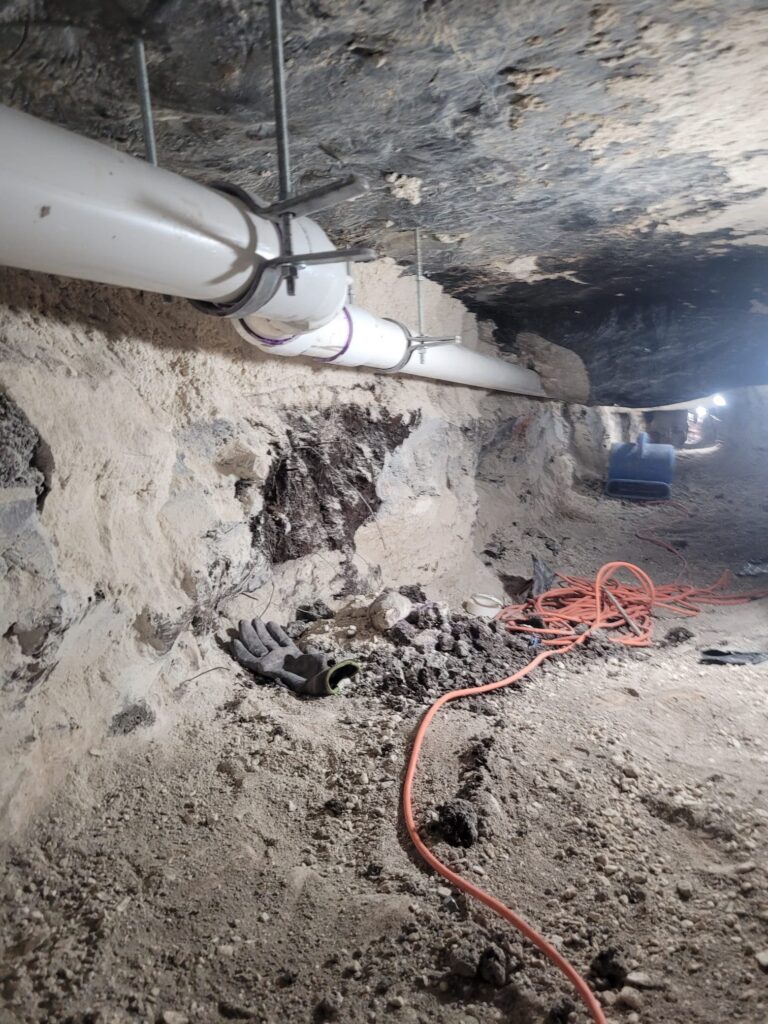
Drain cleaning is the wrong answer when the pipe itself is failing, because clearing restores flow without fixing a collapsed section, severe cast-iron bottom rot, an offset joint, a persistent belly, or an open break. Debris removal may help for a time, but a damaged section keeps catching waste, and roots can return through the same opening.
Camera footage changes the recommendation when it shows a failed pipe wall, a joint that has shifted apart, or a low section holding standing water after flow stops. Older central Austin homes with cast-iron or clay sewer lines need condition-based decisions, especially before hydro jetting.
A cable or jetter may still give temporary relief while you weigh next steps. SALT shows the recorded footage, explains the short-term option next to the durable repair options, and lets you decide. Repair scope depends on the location and condition of the line. If you are unsure how urgent the problem is, read when to call a professional for drain cleaning.
SALT is a full-service licensed plumbing company, not a drain-only specialist. A drain-only crew can clear a line quickly, but a broken joint on camera is a repair job. SALT clears the line and handles the plumbing repair with the same licensed team.
Why SALT will not pour chemical cleaner down your line
SALT does not pour chemical cleaner into Austin drains because it rarely clears the real cause and it can harm older pipe. Chemical products struggle against roots and heavy buildup. Caustic liquid left standing in a blocked line can splash onto the plumber when the line is opened, and mixing household drain products can release dangerous fumes.
A camera inspection tells the plumber whether the problem is buildup that cleaning can remove or a structural condition that needs repair. A chemical product answers neither question. SALT relies on mechanical clearing, either cabling or hydro jetting, because the plumber can see and control the result and match the method to what the camera shows.
Homeowners who want a first step for one slow sink can read these DIY drain cleaning safety tips. A line with several slow drains, or any sewage, should skip DIY and go straight to a plumber.


Preventive drain care and what SALT+ covers
Preventive drain care in Austin comes down to keeping grease, cooking oil, and coffee grounds out of kitchen drains, using hair screens in showers and bathroom sinks, and scheduling a camera-led follow-up when a line backs up more than once.
SALT+ is SALT’s home maintenance plan, priced at $24.95 per month for one or two systems. It includes an annual plumbing safety inspection with a water heater flush, a pressure check, and a hardness test, plus priority scheduling. Active members also qualify for the lifetime guarantee on repairs and installation.
SALT does not set one cleaning schedule for every home. Camera findings and the home’s history decide how often a main line needs attention. Members can raise repeat drainage concerns during the yearly inspection, and the plumber advises whether preventive cleaning, repair, or replacement fits.
SALT sends a licensed plumber who inspects first, explains the options, and quotes a flat-rate price before work begins.
For drain cleaning services in Austin, book a drain visit online or call (512) 956-7842.
Frequently Asked Questions
About Drain Cleaning in Austin
How much does drain cleaning cost in Austin?
Drain cleaning cost in Austin depends on the job, because a bathroom sink clog and a blocked main sewer line are different scopes of work. SALT does not charge open-ended hourly rates and does not publish one price for every clog. The plumber evaluates the drain on site and gives a written flat-rate quote for the approved method before any clearing begins.
Can SALT come out today for a clogged drain?
SALT schedules same-day or next-day drain appointments in Austin, depending on technician availability. Active sewage backups get 24/7 emergency plumbing dispatch. Standard hours run 8am to 8pm, seven days a week. The dispatcher confirms the actual window for your address, so you know what to expect before a plumber is dispatched.
How do I know whether the clog is in my main sewer line?
Several fixtures slowing or backing up together point to a main sewer line clog. Gurgling toilets and water rising in a floor drain or tub are common signs. A SALT camera inspection in Austin confirms where the restriction sits and whether roots, buildup, or pipe damage caused it.
Does SALT camera-inspect a drain before quoting?
SALT recommends camera inspection in Austin for recurring clogs, main-line symptoms, and suspected pipe damage. After the inspection, SALT provides a video summary of the findings with a flat-rate quote, so the price follows what the footage shows. Work starts only after you approve the written price.
Will hydro jetting damage old cast-iron or clay pipes?
It can, if the pipe is already failing. SALT checks older Austin cast-iron and clay lines with a camera before jetting, looking for cracks, corrosion, separated joints, and offsets. If the line is degraded, the plumber recommends gentler clearing, repair, or replacement instead.
Why does my drain keep clogging after it has been cleaned?
Clearing can restore flow without removing the cause. In Austin, mineral scale from hard water, grease, hair, roots, and pipe defects keep catching debris. A SALT camera follow-up shows whether the line needs deeper cleaning or a repair, and the plumber explains the options before any work starts.
Will SALT pour chemical drain cleaner down my line?
No. SALT does not use chemical cleaner in Austin drains because it rarely removes roots or heavy buildup and can harm older pipe. The plumber uses cabling or hydro jetting after a camera check, then recommends repair when the pipe itself is the problem.
Should I hire a drain-only specialist or a full-service plumber in Austin?
A drain-only company may clear a simple clog quickly. SALT is a full-service licensed plumbing company, LIC# M-44221, so the same plumbers clear the line and repair what the camera finds. One visit can lead to a fix instead of a referral.