

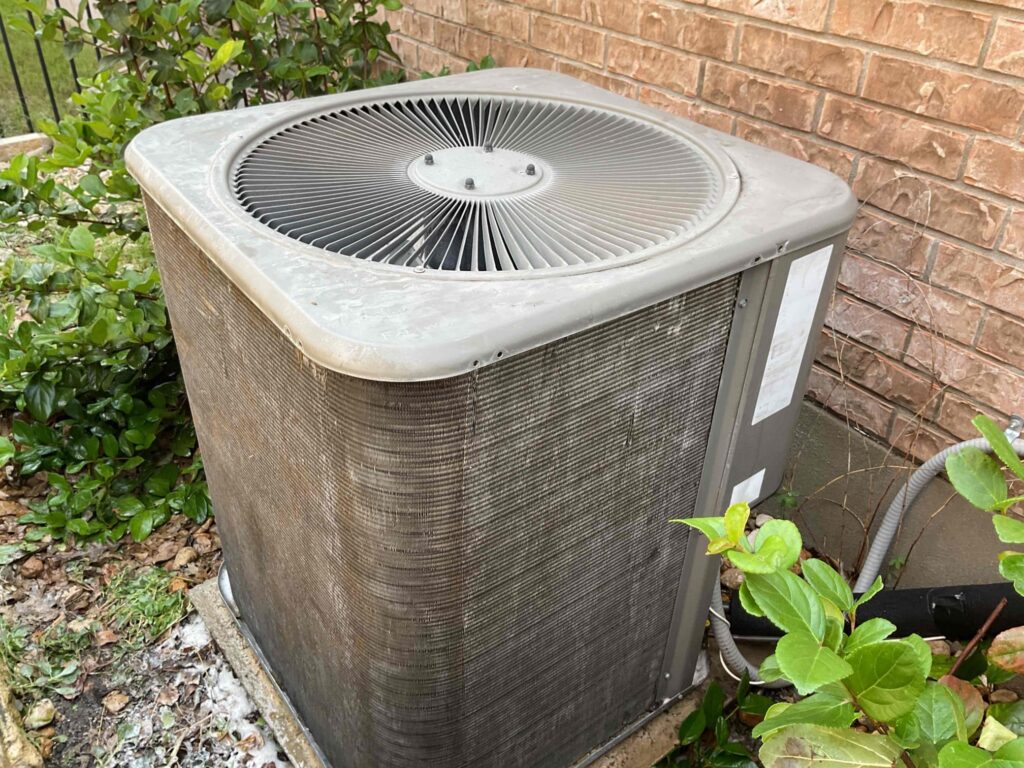
Your air conditioner rarely fails without warning. Knowing the signs your AC is about to fail gives you time to schedule a repair before a small problem becomes a complete system breakdown and a sweltering Maryland home.
Below are 10 specific symptoms, what each one means mechanically, and when to call A-C Air Care for professional service. Some point to a simple fix. Others signal it is time for a bigger conversation about the system’s future.
Warm Air from the Vents
Warm air blowing from your vents is one of the most common signs your air conditioner is failing, but it does not automatically mean your compressor has failed. When your thermostat is set to COOL and the air coming through the registers feels warm or room temperature, the system cannot transfer heat outdoors effectively.
Three issues most often produce this symptom:
- Thermostat fan setting: The fan set to ON circulates indoor air without running an active cooling cycle.
- Airflow restriction: A heavily clogged air filter chokes airflow and freezes the evaporator coil.
- Refrigerant or equipment fault: Low refrigerant, a failed capacitor, or a compressor problem halts heat exchange.
Before calling for service, confirm your thermostat is set to COOL and switch the fan from ON to AUTO. Replace any dirty air filter and check that the outdoor unit is running normally without opening any panels. If the air stays warm, the condenser hums without starting, or you notice ice forming on the lines, schedule AC repair promptly to prevent compressor damage.
Rattling, Banging, Grinding, or Squealing Noises
Your central air conditioner should produce a steady operational hum during normal operation. Unfamiliar sounds during startup, cooling cycles, or shutdown are not minor quirks. Each sound type points to a specific mechanical problem.
Match the noise to the likely cause:
| AC Noise | Likely Cause |
|---|---|
| Rattling or clanking | Loose cabinet panels, failing fan hardware, or debris inside the unit. |
| Squealing | A deteriorating blower belt or failing motor bearing. |
| Clicking or buzzing at startup | Failing electrical controls, a contactor, or a weak capacitor. |
| Hissing | Refrigerant escaping from a leak or compressor pressure issues. |
| Grinding | Severe friction from worn mechanical components. |
Shut the system off immediately if you hear loud grinding, metal-on-metal banging, or persistent electrical buzzing, especially when paired with a burning smell or a tripped breaker. Running through these sounds risks catastrophic compressor failure. Note whether the sound happens during startup, cooling, or shutdown and share that detail with your A-C Air Care technician. If you want to understand what each component does, our guide to how air conditioners work covers the basics.
Weak or Uneven Airflow
Weak airflow across multiple vents, rooms that stay warm while others cool normally, or persistent indoor humidity signal your system is struggling. Restricted airflow, duct leaks, a failing blower motor, dirty coils, and refrigerant loss all reduce the volume of conditioned air reaching your living spaces.
Maryland’s humidity adds a layer most general guides skip. Cooling and dehumidification are related but distinct processes. An aging system in humid conditions may lower the air temperature slightly while leaving heavy moisture behind. A home that feels clammy despite the AC running is not just uncomfortable. That sticky air quality is one of the clearer air conditioner failure symptoms.
To check your system, let it run for 15 to 20 minutes, then measure the temperature difference between return air and supply air at the register. A healthy split runs between 16 and 22 degrees Fahrenheit. Readings outside that window give a technician useful diagnostic information. Start with the basics: replace the air filter and make sure supply vents are clear. Our overview of common AC problems during Maryland summers covers additional seasonal scenarios that affect airflow and comfort.
A Sudden Jump in Your Electric Bill
When outdoor temperatures, utility rates, and household routines have not changed, a sharp spike in your summer electric bill is an AC warning sign worth investigating. A system losing cooling capacity runs much longer cycles to reach the set temperature, consuming extra power while delivering less cooling.
Four factors cause most efficiency drops: a dirty air filter restricting airflow, dirty condenser coils blocking heat release, an improper refrigerant charge, and gradual mechanical wear on aging components. Each forces the compressor to work harder and run longer than it should.
Before attributing the increase to equipment failure, rule out simpler explanations. Check the air filter, clear any vegetation blocking the outdoor condenser unit, and review your thermostat schedule for any accidental changes. Comparing the bill against the same month last year also helps isolate what changed. For a broader look at seasonal cost patterns, our article on why your electric bill spikes in summer covers additional cost drivers in detail.
Short Cycling: The AC Turns On and Off Too Often
Short cycling occurs when your air conditioner starts, runs briefly, shuts off before completing a full cooling cycle, then immediately tries to start again. This pattern leaves your home warm and humid while placing severe stress on the compressor, which is the most expensive component in a central AC system.
Several issues trigger rapid shutdown cycles:
- Oversized equipment: A system too large for your home cools the air too quickly without controlling humidity.
- Dirty filters or coils: Restricted airflow causes the system to overheat and trip an internal safety switch.
- Low refrigerant: Pressure safety switches activate when charge drops below operating range.
- Clogged condensate drain: Backed-up water trips the float switch, cutting power to the system.
Each forced start draws heavy electrical current and accelerates compressor wear. Resetting the breaker repeatedly to force the system to run turns a repairable issue into a full breakdown. Check your air filter and inspect the indoor drain pan for backed-up water. If the shutoffs continue, a professional diagnostic visit is the right next step.
Burning or Chemical Smells
A hot plastic odor, a sweet chemical smell, or visible scorch marks near your indoor unit are serious air conditioner failure symptoms. Burning smells typically signal overheating electrical components or damaged wiring. A faint sweet or slightly chemical odor near the system often indicates refrigerant leaking slowly from a line or connection.
Circuit breakers trip specifically to prevent electrical fires. If your AC trips the breaker once, reset it and monitor closely. If it trips a second time, do not force the system to run. Turn the thermostat off, shut power at the breaker panel when safely accessible, and call a licensed technician.
Differentiate odors carefully. Musty or moldy smells typically point to standing water, a clogged condensate drain, or microbial growth on the evaporator coil. Those problems need prompt attention but are not the same safety threat as burning wiring. A-C Air Care technicians hold Maryland HVAC License #60218 and are trained to identify and correct the underlying electrical and mechanical causes safely.
Moisture or Ice Around the Unit
Water pooling near your indoor air handler usually points to a clogged condensate drain line or an overflowing drain pan. Frost or ice forming on the evaporator coil and copper refrigerant lines signals restricted airflow or low refrigerant levels. If you also notice an oily residue near pipe connections, that indicates an active refrigerant leak that requires a licensed technician.
Never assume the problem resolves when ice melts after the system shuts off. The underlying failure remains, and restarting the unit before the coil fully thaws risks severe compressor damage. If you find ice on the system, switch cooling off at the thermostat, set the fan to ON to thaw safely, and replace the air filter if clogged.
Persistent condensate backups cause water damage to flooring, ceilings, and insulation before many homeowners notice. These issues are a consistent call driver for A-C Air Care during Maryland summer service, particularly in homes where air filters go multiple months without replacement.
The System Runs Constantly but Rooms Stay Warm
When your air conditioner runs for hours without reaching the set temperature, the system can no longer handle your home’s cooling load. This is distinct from brief lag on an extremely hot afternoon. If the compressor runs continuously, the indoor temperature barely moves, and the home feels stuffy rather than refreshed, the system’s capacity has changed.
In Maryland, where summer humidity routinely runs high, this symptom carries extra weight. A system that cools the air somewhat but cannot remove moisture is losing its dehumidification capacity ahead of its cooling capacity. If the temperature gauge looks reasonable while the air still feels heavy and clammy, check for a dirty coil or a refrigerant charge that has drifted low over time.
The mechanical stress of running nonstop without completing a cycle accelerates wear on the compressor and other moving parts. Low refrigerant, a dirty condenser coil, a degraded blower motor, or a failed refrigerant metering device can all produce this pattern. Continued operation without diagnosis shortens whatever remaining service life the equipment has.
Frequent Repairs in a Single Season
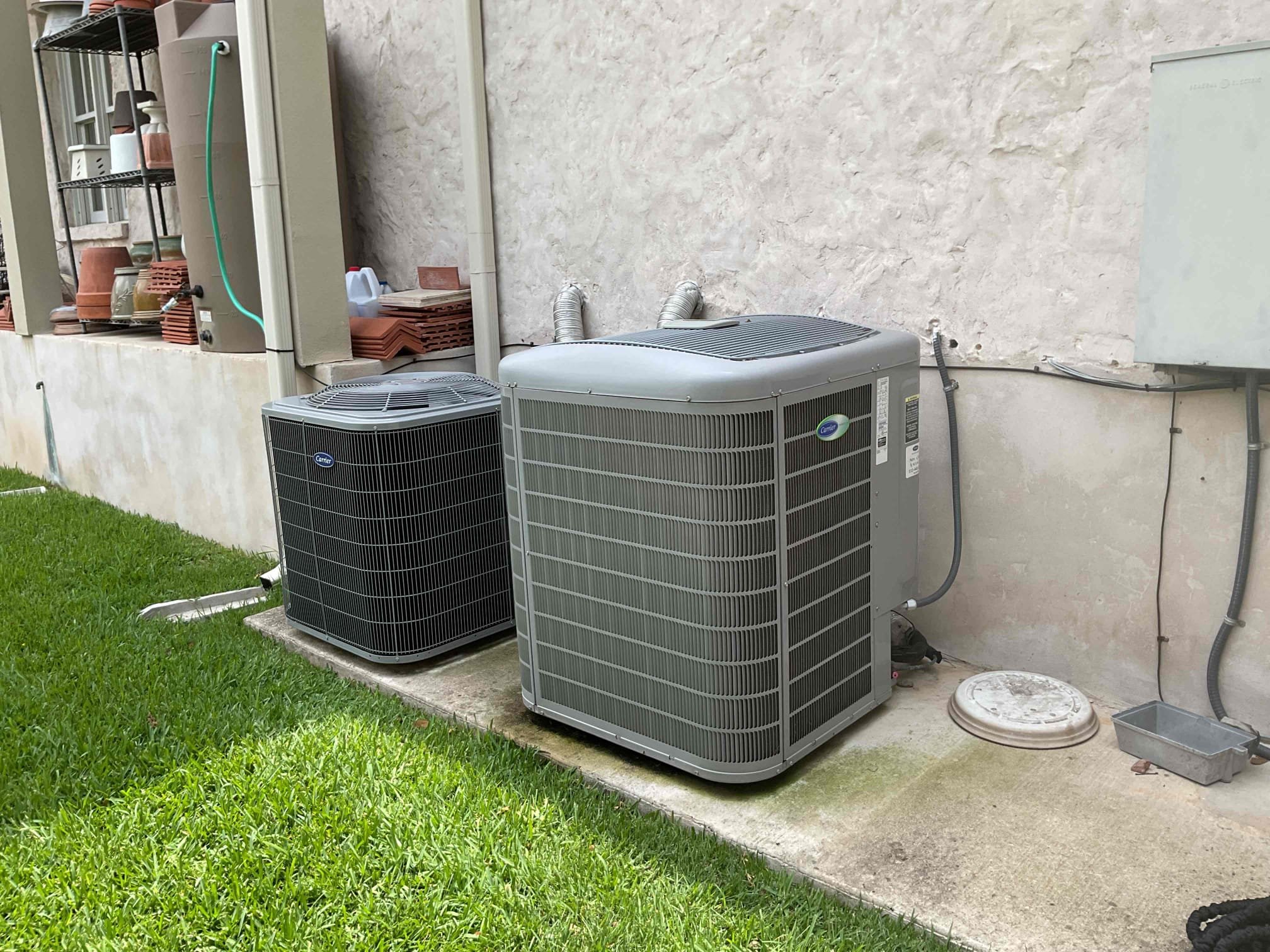
A single repair does not indicate system failure. Two or three service calls in one cooling season is a different story. When individual components fail in quick succession, the pattern points to a system in active mechanical decline. Repairs that seem isolated often reflect cumulative wear spreading across multiple components at the same time.
Consider the math directly. If you spend several hundred dollars on a capacitor in June, another service call in July for a contactor, and the system still struggles through August, the total cost of repairs against the system’s remaining useful life starts to shift. That money, applied toward a new efficient system with a 10-year warranty, often changes the calculation.
A-C Air Care recommends tracking every repair, its cost, and the technician’s assessment of what else is showing wear. After two calls in a single season, ask for an honest evaluation of the system’s remaining component life. There is rarely a benefit to continuing costly sequential repairs on equipment heading toward a major failure.
The System Is 12 or More Years Old
Age alone does not disqualify an air conditioner. A well-maintained system can run reliably past 15 years. Age becomes significant when it combines with any other sign on this list. A 14-year-old system that short cycles, runs inefficiently, and has needed multiple repairs this season is telling you that replacement deserves serious consideration.
The U.S. Department of Energy places the general lifespan range for residential central air conditioning at 15 to 20 years under proper maintenance. In Maryland, extended cooling seasons and high summer humidity place above-average strain on equipment. Systems in the 12-to-15-year range that begin showing any of the symptoms above benefit from a professional assessment rather than a repair-first response.
Newer systems have improved significantly in efficiency. A unit from 2010 may operate well below current seasonal efficiency standards, and replacing it can reduce cooling costs meaningfully per season. If your system is aging and showing warning signs, it is worth reviewing your AC installation options and exploring a seasonal HVAC maintenance plan to protect whatever system remains in service.
Which Signs Mean Repair and Which Mean Replace?
Not every warning sign on this list points to replacement. The right answer depends on the system’s age, repair history, and what specifically failed.
Repair is usually the right call when the equipment is under 10 years old, the component that failed is isolated, and the total repair cost stays below one-third of replacement cost. A seven-year-old system with a failed capacitor or a clogged drain line is a clear repair situation. Single-component failures on younger equipment rarely indicate systemic decline.
Replacement becomes the stronger choice when the system is 12 or more years old and the failure involves the compressor, refrigerant charge, or heat exchanger. Systems that have needed multiple repairs in one season, or whose efficiency has declined enough to noticeably raise utility bills, deserve a full cost comparison before the next repair check clears.
The most common mistake A-C Air Care sees is investing in sequential repairs on a system in accelerating decline. Each repair buys months rather than years. Our repair-or-replace guide walks through this decision systematically, comparing repair cost against estimated remaining system life so you can make the call with real numbers in front of you.
Not sure what your symptoms add up to? Schedule an AC diagnostic visit.
Frequently Asked Questions
Does warm air mean my AC compressor is dead?
Not necessarily. Warm air is often caused by incorrect thermostat settings, a heavily clogged filter that freezes the evaporator coil, or a simple capacitor failure in the outdoor condenser. Confirm the thermostat is set to COOL, check the air filter, and verify the outdoor unit starts normally before assuming compressor failure. If warm air persists after those checks, schedule a diagnostic visit with a licensed technician.
What does a failing AC compressor sound like?
A compressor in decline often produces harsh grinding, loose rattling, or hard-start buzzing and repetitive clicking when it tries to engage. These sounds are difficult to diagnose by ear alone because other components produce similar noises. If you hear violent metal-on-metal clanking or an electrical burning odor paired with any sound, shut the system off and call a licensed technician immediately to prevent further damage.
Why is my AC running but not cooling every room?
When your system runs without cooling some rooms, the most common causes are airflow restrictions, duct leakage, weak blower motor output, or refrigerant loss that drops the system’s capacity below the cooling load. Dirty filters, closed supply registers, and poorly located thermostats create uneven temperatures room to room. Howard County homeowners can also review signs you need AC repair in Columbia, MD for local guidance on common causes in the area.
How long does a central AC unit last?
Most residential central air conditioners last between 10 and 15 years with regular maintenance. The U.S. Department of Energy places the range at 15 to 20 years under optimal conditions. In Maryland, high summer humidity and longer cooling seasons tend to shorten that lifespan compared to drier climates. System age alone should not trigger replacement if the unit operates safely and maintains indoor comfort.
When should I call for emergency AC repair?
Call for emergency service if you smell burning, see smoke, or the circuit breaker trips repeatedly when the AC starts. Significant water leaking near electrical panels, loud grinding or banging that does not stop when you cycle power, and ice on the lines combined with no cool airflow also warrant urgent attention. Cut power at the breaker panel and contact A-C Air Care for emergency service.
What does a refrigerant leak smell like?
Refrigerant leaks can produce a faint sweet or slightly chemical odor. Newer refrigerants like R-410A are odorless in small concentrations, making slow leaks harder to detect by smell. More reliable indicators are unexplained cooling capacity loss over time, ice forming on the evaporator coil, and oily stains near refrigerant line connections. Refrigerant handling requires EPA certification, so this is not a DIY repair.
If your AC is showing any of these signs, A-C Air Care provides professional diagnosis and honest repair recommendations for Maryland homeowners. Call (410) 205-5298 or book an AC service visit online.
Schedule AC Service