





Electrical Inspection Services in Austin, TX
A licensed electrical inspection shows you what is behind your walls and panel cover before a small problem becomes a fire, a failed sale, or an insurance headache. SALT provides electrical inspection services in Austin, TX for homeowners, buyers, sellers, and anyone in Central Texas with older wiring or breakers that keep tripping.
Our licensed electricians inspect panels, wiring, outlets, and grounding, then explain what they find in plain language. SALT has served Central Texas since 1984 and works under Texas Electrical Contractor License TECL #26149.
What a Licensed Electrical Safety Inspection Covers
A licensed electrical safety inspection checks the condition and safety of your whole system, not just whether the lights turn on. We look at the parts that carry power and flag anything that can cause unreliable service, shock, or fire. In Austin-area homes, that means going well past a quick visual check.
Licensed Electrician Checklist
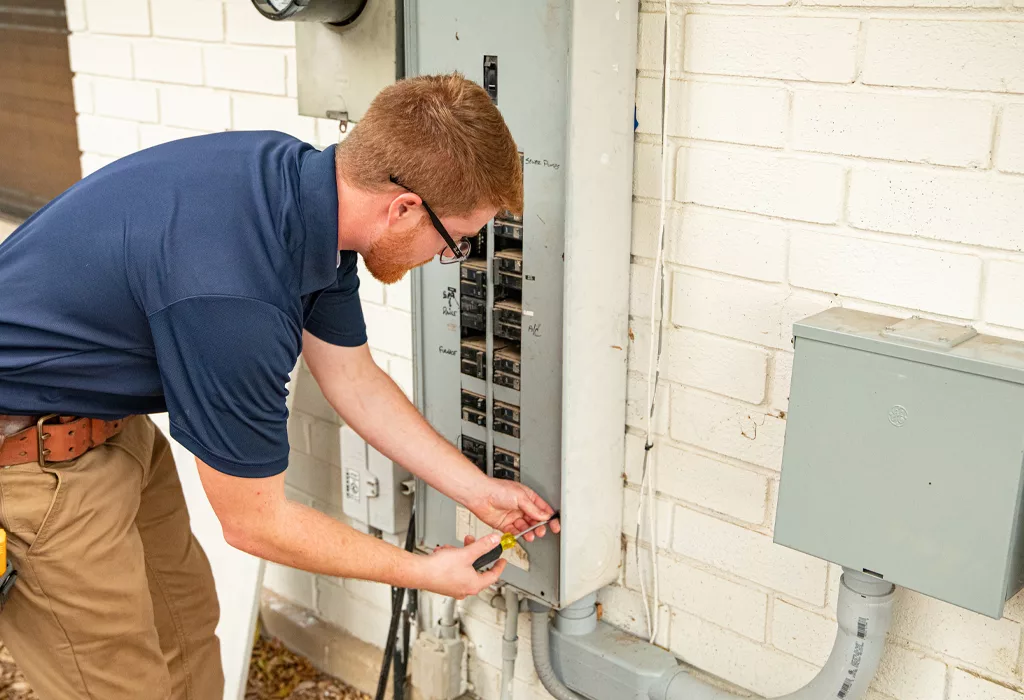
The inspection starts at the electrical panel. We check breakers, panel condition, circuit labeling, and signs of overheating, corrosion, or loose connections. Then we review accessible wiring, grounding and bonding, outlets, switches, and any damaged or overloaded circuits.
Protection devices are part of the review too. We check GFCI and AFCI protection where it applies, along with smoke and carbon monoxide alarms. If an alarm is missing or failing, our smoke and CO detector service covers replacement and repair.
A typical inspection covers:
Electrical panel and breakers
Accessible wiring and grounding
Outlets, switches, and protective devices
Smoke and CO alarms where applicable
You get documented findings, with photos or video when available, so you can see what the electrician saw. If we recommend corrections, we rank them by urgency and explain each option before you decide anything. Safety fixes come first, and work that can wait is labeled that way.
What fails an electrical inspection in a Central Texas home?
Most failures trace back to age. Older Austin and Central Texas homes carry equipment that met the code of its day but does not hold up now. These are the defects we flag most often:
Federal Pacific Stab-Lok and Zinsco panels:
Both are known defective panel types, and their breakers can fail to trip during an overload. We plan replacement when we find one.
Aluminum branch wiring:
Homes built, added onto, or rewired from about 1965 to the mid-1970s may have it. The permanent repairs the CPSC accepts are rewiring with copper or pigtailing copper to the aluminum with COPALUM or AlumiConn connectors, done by a licensed electrician, not a DIY outlet swap.
Knob-and-tube wiring:
We check its condition, contact with insulation, and any later alterations.
Double-tapped breakers:
Two wires on a breaker built for one can loosen and overheat.
Missing GFCI or AFCI protection:
We flag any spot where current code calls for it and the device is missing or dead.
No whole-home surge protection:
Not always a failure on an older home, but it matters for any new service or panel replacement.
Poor grounding and bonding:
Weak grounding connections, improper subpanel bonding, and cramped clearance around the main panel also draw flags.
Finding one of these is not a verdict on your home. It is a to-do list in priority order, and we explain which items are urgent and which can be planned.

Do you need an electrical inspection to sell a home in Austin?
No rule requires a standalone electrical inspection to list a home in Austin. Texas sellers do have to disclose known defects, though, and a buyer’s general inspection often sends the panel or wiring back for a closer look. In older Austin homes, that closer look often lands on the defects we flag most, such as Federal Pacific or Zinsco panels, double-tapped breakers, and missing GFCI or AFCI protection where code calls for it.
A TREC-licensed home inspector reviews visible, accessible conditions and recommends further review when something looks wrong. That visual check is not the same as a licensed electrician’s inspection, which looks inside the panel and tests the system.
Sellers who inspect first can fix problems on their own timeline instead of in the middle of a negotiation. Buyers can use our report to see what a flagged panel or wiring concern will take to correct. Either way, the report separates urgent safety work from items that can wait. The Austin homeowner permitting resources page explains that permits support electrical safety reviews and can help with refinancing and future home sales.
Local Permit Requirements for Electrical Corrections
Electrical inspection findings do not automatically mean a permit is required. An inspection may identify ungrounded outlets, damaged wiring, an overloaded panel, or equipment that no longer meets current safety expectations. Whether the corrective work needs a permit depends on its scope and the authority having jurisdiction, not the inspection alone.
In Austin, panel upgrades, new dedicated circuits, and full rewiring trigger permits through the City of Austin Development Services Department. SALT can review the findings with you and explain the likely next step before work is scheduled.
Austin, Round Rock, and Cedar Park Requirements
In Austin, electrical corrections follow City of Austin Development Services trade permit rules, and applications and inspection requests go through the Austin Build + Connect portal. Round Rock and Cedar Park run their own local processes. The National Electrical Code sets the baseline for safe work, but local amendments, inspection procedures, and approval requirements control the project at your address.
A correction that follows Austin's process may need different documentation or review in Round Rock or Cedar Park. Our licensed technicians can explain which local requirements are likely to apply after reviewing the inspection findings and the planned repair.
Service and Panel Work May Require Utility Coordination
Service upgrades, panel relocations, meter work, and added electrical capacity often involve more than an electrician's repair. In Austin, the project may need both city trade approval and coordination with Austin Energy before the service can be energized. That affects project sequencing, particularly when the work involves the meter, service entrance, or utility connection. The Austin Energy customer equipment guide explains that the meter base, service panel, and home wiring are the customer's responsibility.
After the review, you will know whether a straightforward repair, a permitted correction, or a larger service plan makes sense for your home.
Is whole-home surge protection now required by code?
For new services and panel replacements, usually yes. Since the 2020 edition, the National Electrical Code (Section 230.67) has required a surge protective device (SPD) on services that supply dwelling units. Texas now enforces the 2026 NEC statewide, effective September 1, 2026. Local authorities enforce it, so the exact rule at your address depends on your city’s adopted code and amendments. For more on how the state handles electrical codes and licensing, see the Texas electrical compliance guide from TDLR.
The change does not force every existing home to add an SPD. It applies when you replace a panel, upgrade a service, or do related permitted work, and an inspection that finds panel problems often leads there.
An SPD installs at or near the service equipment and limits voltage spikes that can damage appliances, HVAC controls, and electronics. We confirm what applies to your home and city during the inspection, and our whole-home surge protection service handles the install.

Schedule Your Electrical Safety Inspection With SALT
Recurring breaker trips, warm outlets, or an older panel are all reasons to look closer. Our licensed electricians inspect the system, explain the findings in plain language, and give you upfront pricing before any corrective work begins.
Schedule an inspection if you are:
- Buying or selling an older home
- Dealing with repeated breaker trips or outlet problems
- Planning a remodel or addition
- Concerned after a storm or power surge
- Looking for a proactive safety review
Findings can lead to repairs, panel work, surge protection, or smoke and CO detector installation, and we coordinate the follow-up. We also handle your plumbing, heating, and cooling needs. Our other electrical services cover the repairs and upgrades an inspection turns up.
SALT’s current electrical service and repair offers are posted on our specials page, subject to their listed terms.
Frequently Asked Questions About Austin Electrical Inspections
Do I need an electrical permit in Austin to replace a panel or add a circuit?
Most major electrical modifications in Austin require official trade permits and municipal inspections before work can be finalized. Projects involving service panel upgrades, new dedicated branch circuits, or full property rewiring trigger city permit requirements. Applications and site inspection requests go through the Austin Build + Connect portal under the Development Services Department. Because municipal standards update regularly, working with a licensed contractor keeps your project aligned with current local enforcement.
Is a home inspector’s electrical check the same as a licensed electrician’s inspection?
A general home inspector performs a non-invasive visual review of accessible components to flag general issues during a real estate transaction. A licensed electrician conducts a detailed physical evaluation of the panel interior, grounding system, voltage balance, and circuit load capacities. Buyers often use a general inspection for an initial overview, then hire an electrician to build permit-ready correction plans and exact repair estimates.
What tends to fail electrical inspections in older Austin-area homes?
Older properties across Central Texas frequently fail inspections due to legacy equipment and outdated wiring standards. Common failure points include Federal Pacific Electric or Zinsco panels, aluminum branch wiring that hasn’t been remediated, missing AFCI or GFCI protection, and double-tapped circuit breakers. Inspectors also flag improper subpanel bonding, poor grounding connections, and insufficient clearance around main service panels.
How much does a home electrical inspection cost in the Austin metro?
Inspection cost depends on property factors like square footage, age, number of subpanels, and panel accessibility. Larger homes take more inspection time, and you get the price before the inspection begins. Municipal permit fees and any corrective repairs are quoted separately based on project scope, whether your home is in Austin, Round Rock, or Cedar Park.
Can an electrical inspection help with insurance requirements or renewal?
Some insurers ask for an electrical inspection report before issuing or renewing coverage on an older home. Underwriters scrutinize legacy panels, ungrounded circuits, and outdated wiring as potential fire risks. A documented inspection shows your insurer what was checked, what was found, and which corrections a licensed electrical contractor completed. Property owners can also use the SALT+ plan to maintain a documented annual inspection history.